|
‘Extreme caution’ urged over A&E call-ahead changes |
Related newsLess than full-time – behind the NHS trend Drug harms on the rise in Scotland Doctors invited to shape medical workforce reforms Health and charity leaders join forces for NHS reform Probe into future of NHS Scotland’s doctors underway NHS doctors unemployment crisis despite understaffing 
|
|
|
||
|
||
|
Concerns over GPs’ workload have prompted a warning major changes to how the public use A&E must be monitored “extremely carefully”.
Dr Andrew Buist, who represents GPs through BMA Scotland, said the impact of the reforms was already emerging as a “worrying issue” at the Scottish Local Medical Committee Conference last week.
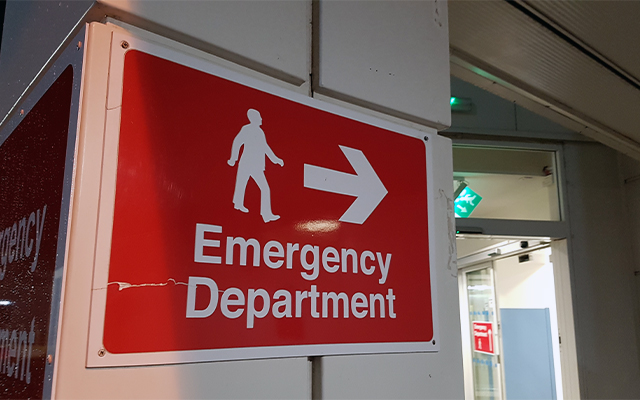
Under the plans, which went live across Scotland last week, patients with non-life threatening but urgent health problems will be asked to phone 111 instead of going to A&E.
The aim is to stop emergency departments becoming dangerously crowded over the winter months.
But there are concerns about the “potentially destabilising” effect this could have on other primary care services that patients are diverted to.
A pilot in NHS Ayrshire & Arran took place over November but an evaluation is yet to be published.
Dr Buist said: “We have since April highlighted our concern this could cause an unintended, inappropriate and un-resourced shift in workload to general practice.
“Worryingly we heard from local medical committees (LMCs) last week that this may indeed already have been happening.
“We will absolutely raise these concerns to the highest level, if and when the evidence is clear.”
In a blog reflecting on the conference, he added: “This is a significant and potentially destabilising issue for primary care, and we must – and will – monitor it extremely carefully.”
Questioned about the safety and effectiveness of the changes at the conference, Jeane Freeman said: “I deliberately avoided the big bang moment – I don’t think that is how we should do these things because we need to learn as we go and make sure that what we are doing is safe and working.
“So that evaluation, if you like, will continue in real time, monitoring how it is working across all our board areas and if we see in the fullness of time that there is a shift in where workload is going – which we aren’t seeing yet from Ayrshire and Arran – then of course we have to look at making sure we are providing the resources for where the workload is going.
“But I think the important thing here is this is a long-term shift in public behaviour that we are looking to secure and it is a wide primary care response that includes our pharmacy care and minor injury units.
“So, we are looking to ensure that we get people the right care in the right place and in doing that move away from the default position that you always go to the emergency department.”
At the same event Dr Buist warned that GPs were being left to handle a rising tide of covid-related mental health problems, in part due to referral criteria for specialist services being too strict.
Meanwhile BMA Scotland and the Scottish government have agreed a deal to speed up the implementation of the 2018 GP contract after it became clear the 2021 deadline would not be met.
The agreement seeks to reduce pressure on the limited number of GPs by reallocating some responsibilities and having more support from other health workers, such as nurses and pharmacists.
Sign up to our bulletin for key health & social care updates straight to your inbox. |
