|
Step away from the skills funding cliff edge |
Related newsCare pay reform must come with stability not strain Care homes urged to act early on improvement Councils demand £750m boost for social care in 2026 New visa rules could wipe out entire care teams Care worker visa changes ‘inhumane’ and risks services ‘Too many missing out’ on palliative care 
|
|
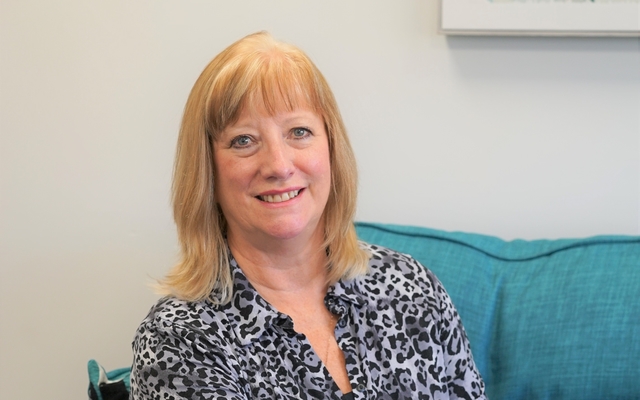
Lynn Laughland
|
||
|
||
|
The head of a long-establish Scottish homecare service says that the system that equips members of social care teams with the professional skills that are at the heart of every daily practice is breaking down, further undermining a sector that prides itself in matching its compassion with professionalism. Lynn Laughland says there is a skills crisis that threatens to undermine social care delivery in Scotland – but, although it is broken, it can also be fixed.
Across Scotland, thousands of care workers get up each day to do one of the hardest and most vital jobs there is caring for our families, neighbours, and communities.
Having run a training organisation for over 20 years and a care organisation for 32 years, I am disappointed and frustrated to see that, behind the scenes, there is a hidden crisis: the system that trains and supports these workers is falling apart.
Unless we act now, Scotland risks losing the very backbone of its care workforce.
The people who deliver social care are required by law to hold recognised qualifications. For years, training providers, colleges, community organisations, and independent centres have made that possible. They’ve trained care workers, helped people gain new skills, and kept services safe and professional.
Now, that network is breaking down.
The end of the Workforce Development Fund in 2024 has left care employers without support to train their staff. Providers have lost funding, courses are closing, and enrolments have dropped by more than half in some areas.
Meanwhile, millions of pounds paid by Scottish employers into the UK Apprenticeship Levy are sitting in a central pot — out of reach for the very people who need it. Bureaucracy and red tape from Skills Development Scotland (SDS) make it harder than ever to plan and deliver training.
As a result, we are at a skills funding cliff edge, with fewer courses, fewer qualified workers, and more strain on an already fragile care system.
But it doesn’t have to be this way. Scotland knows how to fix this. We just need the political will — and the courage — to put training back at the heart of care.
Scottish and UK policymakers need to take five steps:
Why It Matters
Without training providers, there’s no way to build or sustain the care workforce.
Without a trained workforce, services can’t meet legal standards or deliver safe, compassionate care. And without care, the system we all rely on at some point in our lives — Scotland will fail its people.
This isn’t just about funding. It’s about fairness, dignity, and the future of care itself.
The message is simple. If we want Scotland’s care system to survive, we must invest in the people and organisations who make it possible.
Because without training providers, there is no workforce. And without the workforce, there is no care.
Lynn Laughland MBE is CEO HSC Futures Ltd and HRM Homecare Services Ltd. As a guest contributor, her views are her own.
Read more: King honours Scots in health, care and science; Care Technologists pilot expands;
Sign up to our bulletin for key health & social care updates straight to your inbox.
Tags: Home Care; Social Care; Staffing & Workforce. |
