|
Private hospitals report record admissions |
Related newsAI for lung cancer care to help tackle “hidden killer” New model can predict pre-eclampsia risk Cancer outcomes worse for rural patients National Treatment Centres on pause Digital health: This is the moment 
|
|
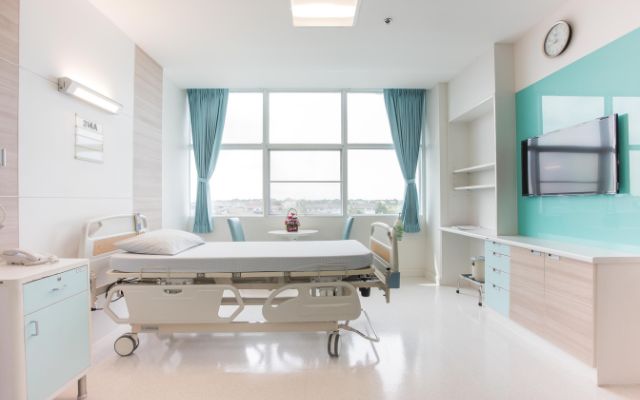
Image: © jiravut Adobe Stock Photos
|
||
|
||
|
Admissions to Scotland’s private hospitals and clinics increased by 6% in 2024 to reach 50,000 – while more doctors than ever are working at least part of their week in paid-for healthcare.
Data released today by the Private Healthcare Information Network (PHIN) shows numbers of people using private healthcare have increased for the fourth year in a row, while the number of consultants working in private healthcare in Scotland also continued to grow, reaching 560 in 2024, again the highest level recorded.
Of those consultants, the largest group was specialists in orthopaedics, with the biggest increase in new consultants joining teams in private setting being general surgeons.
The most common procedure undertaken was cataract surgery, followed by hip replacements. Colonoscopy and upper GI endoscopy were the most common diagnostic procedures, followed by knee arthroscopy.
The data shows a slight increase of 150 to 1,155 in the number of people receiving chemotherapy in private clinics.
The increase in admissions is seen across all age groups, according to the data.
The largest volume increase was in people in their 50s and 60s, while the biggest percentage increase (51% increase) was in patients aged zero to nine followed by those aged 10 to 19 (12%).
Yesterday the Scottish government said that the biggest part of the £106m additional funding to address waiting lists this year will go to trauma and orthopaedics.
PHIN Director of Information, Richard Wells, says, against a background of more people going private, the number of diagnostic procedures – three in the top 10 reasons for admission – is also significant:
“This suggests an increasing number of people are using the private sector to find out what, if anything, is wrong with them. They may then choose to go to the NHS for treatment or continue with private treatment.”
The data also tracks how people are paying for their procedures and suggests more people are turning to private health insurance, with some 28,000 of the 50,000 admissions paid for by insurance companies and a slight fall in self-payers to 21,000.
“The gap between this funding method and self-pay was at its largest since before the pandemic,” says Mr Wells. “This could be due to people planning for their health more by taking out insurance, or the increasing number of employers offering medical insurance as one of their perks.”
The 6% increase in admissions in Scotland (2,700 more admissions) was matched in Wales (an additional 1,900) and was higher than England, where numbers went up by 3%.
At 12%, Northern Ireland had the highest percentage increase of private procedures of any UK nation.
PHIN was set up at the request of regulators to work independently of the industry to track areas including the safety, quality, costs and activity of private healthcare providers. It also provides information for patients including a database of private consultants across the UK.
The full data report is published by PHIN here.
Read more: NHS open to private help for waiting times; NHS Scotland relying on older diagnostic kit; NHS private care referrals at five year high;
Sign up to our bulletin for key health & social care updates straight to your inbox. |