|
Voices of blind women help reshape screening care |
Related newsHolyrood hears calls for more inclusive communication Charities spotlight early blood cancer symptoms Scotland falling behind on lung cancer screening Insight: Scotland’s ‘invisible’ patients and carers Call for ‘urgent’ review of ADHD and autism services Scots urged to act fast on head and neck cancer 
|
|
© Rocket Clips
|
||
|
||
|
The distressing testimonies of women with sight loss have influenced new guidelines designed to make cervical screening more accessible.
The Royal National Institute of Blind People (RNIB) Scotland says the more than 100,000 blind and partially sighted women in Scotland face a range of barriers in accessing cervical screening.
Some women have described their experience as “rough” and “painful”, telling the charity that they feel uninformed and unsupported throughout.
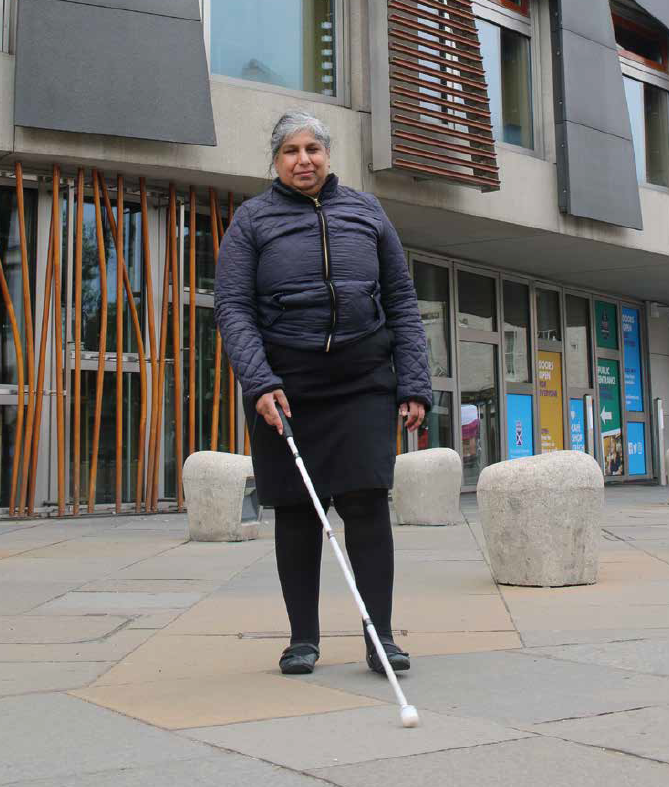
Kirin from Edinburgh is registered blind. Reflecting on her experience attending a cervical screening appointment, she said:
“I only went once, and it went disastrously wrong. It was very painful. I didn’t know what was going to happen, or when it was going to happen.
“I have not and will not go back.
“The nurse took no time to explain what was going to happen; or what the procedure entailed. Having to position myself on the table with no sight was incredibly difficult.”
Another woman described how distressing the process can be when communication and care are lacking:
“I had my tests conducted by a nurse who was rude and rough.”
“I was told not to be stupid, and that I was behaving like a child.
“The nurse did not explain to me what they were doing, and this was unpleasant enough that I haven’t gone back to have another screening.”
RNIB Scotland has shared the experiences of blind and partially sighted women with national health bodies to inform the development of a government strategy for equity in screening and new cervical screening standards.
Published by Healthcare Improvement Scotland in March, the new standards include recommendations to ensure women receive accessible letters and information about screening and healthcare professionals are trained to support women to make informed choices.
Gillian Hallard, NHS Engagement Manager at RNIB Scotland, says the charity is committed to embedding the voices of women with sight loss into policy and practice, so everyone can attend screenings with dignity, understanding and confidence:
“When services are inaccessible, trust is broken, and people are pushed away from the very care meant to protect them. Ensuring screenings are person-centred and accessible isn't just about compliance, it’s about saving lives.
“We are especially pleased to see the standards reflecting the need for staff undertaking cervical screening to be compassionate and ensure women feel supported.”
Around six women in Scotland are diagnosed with cervical cancer each week, and screening plays a key role in prevention.
Screening is offered to all people with a cervix in Scotland from age 25 to 64 and aims to detect changes in cervical cells before they develop into cervical cancer.
Younger women and those with learning or physical disabilities are among the least likely to take-up their invitation for screening.
Read more: ‘Weaknesses’ found in Scotland’s cervical screening; Next steps to embed women’s health; Making cervical cancer a 'rare disease';
Tags: Cancer; Disability; GP & Community. |