|
Column: We still have to fight for our rights |
Related newsSupporting disabled people into elected office Social workers call for disability funding rethink Infection risk petition set to fail Praise for charity CEO who turned down MBE Disabled working women ‘excluded by design’ 
|
|
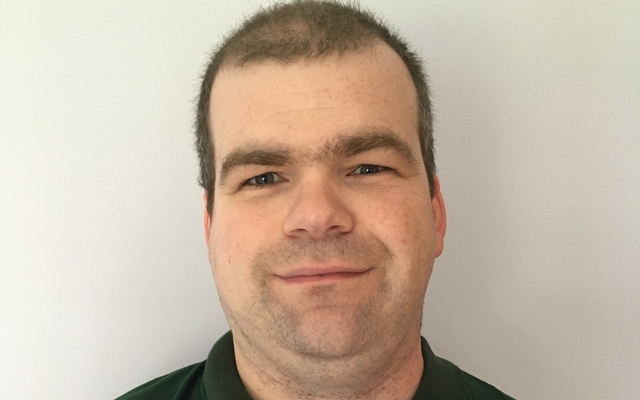
Michael McEwan
|
||
|
||
|
In his latest column for healthandcare.scot, Michael McEwan explores factors that impact the health and wellbeing of disabled people – the theme of this year’s Disability History Month – as he highlights how the pandemic has brought into stark clarity the fragility of the rights disabled people have long fought for.
We're in the middle of Disability History Month which takes place every year from the 16th of November to the 16th of December. This is an annual event which will this year explore themes of disability, health and wellbeing, with a focus on the history of the struggle for equality and human rights.
The campaign has focused on different important themes each year, covering hate crime, accessibility, disability and music, disability and art, with last year's theme focusing on relationship and sex.
These are all important subjects to talk about, raise awareness, and break down the barriers we still face in society today.
There still needs to be further progress terms of getting more people with disabilities in to employment. A recent report by the Office of Statistics shows just 53.1% of disabled people in the UK were in employment in June this year (a decrease of 0.6% from April), compared to 81.9% of non-disabled people.
Disabled people in 2021 were also less likely to own their own home, with just 39.7% being home-owners, compared with 53.3% of non-disabled people.
Access to buildings and public transport remain a big issue. People with a disability need to plan ahead just to go out, and that's not right.
EuansGuide.com is the disabled access review website where disabled people, their families, friends and carers can find and share information on the accessibility of venues around the UK and beyond. The website shares thousands of experiences and is the go-to tool for many disabled people. They are currently conducting their survey for 2022.
The pandemic highlighted, not just here in Scotland but around the world, the fragility of the rights disabled people have secured for themselves, and how easily we can become expendable. There are still many concerns around self-directed support, on support services availability and, critically, why people who should be in control of their own care are being left long term in care homes, which are detrimental to their mental and physical health.
One aspect that needs particular coverage is relationships – not just romantic but friendships. This is why networking campaigns like Dates N Mates, Stay Up Late Scotland and Gig Buddies are a crucial resource. Many studies have shown that regular social interaction can build confidence and increase happiness. The uniqueness of these campaigns is that they are run by people with disabilities, who have lived experiences.
If you would like to find out more about Disability History Month, you can visit https://ukdhm.org/.
Michael McEwan is a freelance journalist.
Read more from Michael: Column: Young people finding their voice; Representation matters for Cerebral Palsy; Self-Directed Support still a lottery; A hospital is not a home
The views of columnists and people who write other guest insights articles are their own.
Sign up to our bulletin for key health & social care updates straight to your inbox and you can follow healthandcare.scot on Google News. Tags: Disability. |
