|
Worries over end-of-life care as home deaths surge |
Related newsUnpaid carers next in line for vaccinations Steep rise in dementia deaths at height of lockdown Poorest Scots twice as likely to die from covid-19 Genome research sees £46.3m boost Scots women at the forefront of medical sciences Scotland can play central role in mRNA 
|
|
|
||
|
||
|
Concerns have been raised about the support people are receiving at the end of their lives during the pandemic after over 4,000 more Scots died in their own homes this year than would normally be expected.
Charities and experts say there are important unanswered questions about the deaths, some but not all of which would have taken place in hospital. They are largely due to conditions like cancer, heart disease and dementia rather than covid-19.
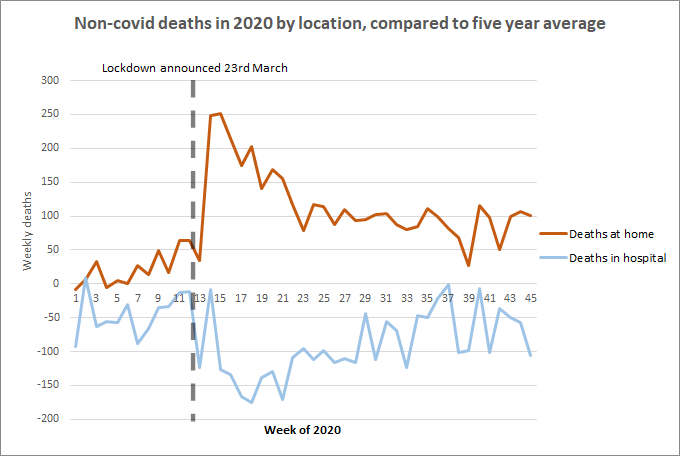
Weekly updates from National Records of Scotland (NRS) reveal that there have been 4,533 more deaths in people’s homes so far in 2020 than the average for the last five years.
Covid-19 accounted for less than 300 of these.
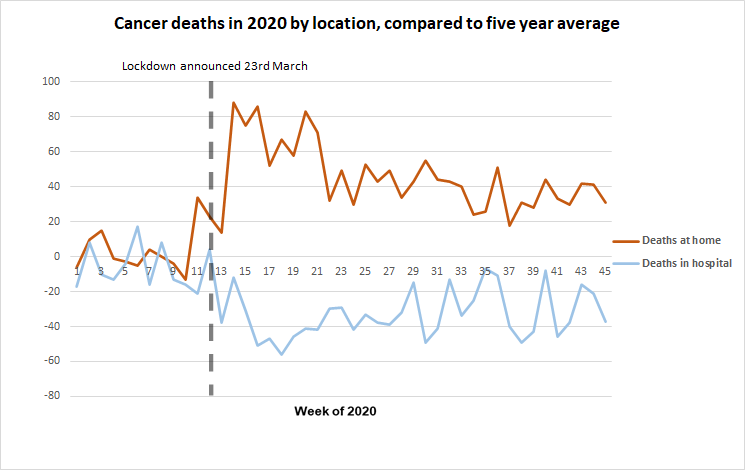
Cancer deaths were the single biggest, recorded as the cause for 1,562 people, followed by 1,163 deaths from other causes.
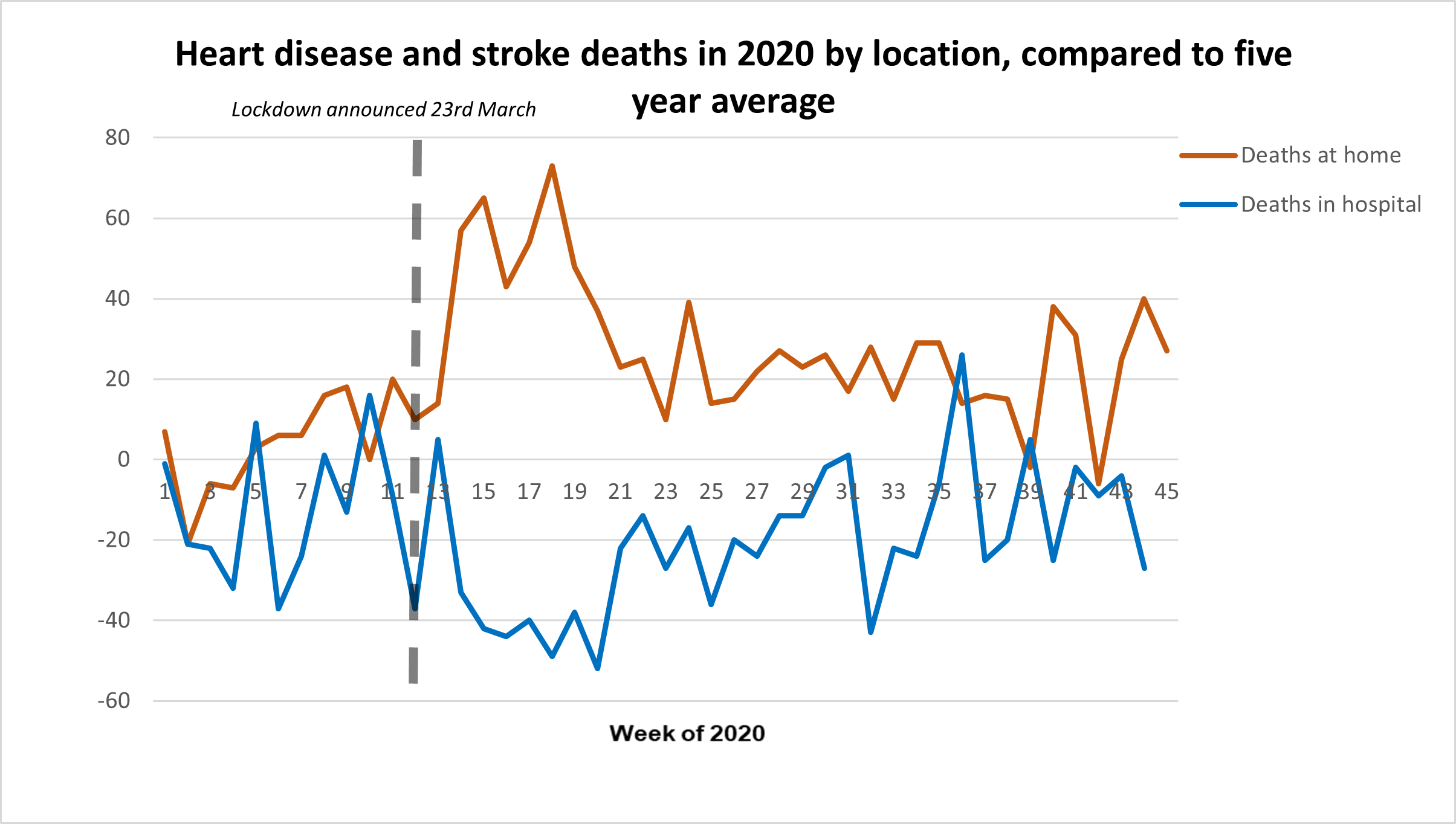
The third largest group was the 983 deaths attributed to heart disease and stroke.
Although people with terminal illnesses often want to spend the last days of their life in their home close to family and friends, experts say it is still not clear people had the support they needed to be comfortable.
The Scottish government says care for people at the of their lives is an “important priority” and additional funding had been pledged in recent NHS and social care winter plans.
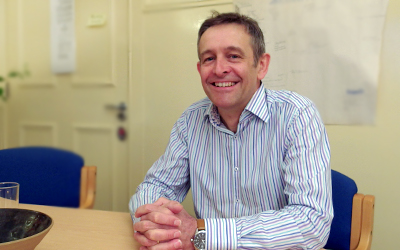
Mark Hazelwood, CEO of the Scottish Palliative Care Partnership, said: “This data showing a higher proportion of people have died at home during the pandemic raises important questions.
“It seems likely that this may reflect many people wishing to avoid hospital – because of fear of catching covid and also because of the severe restrictions on family visits which have been in place.
“Even in “normal” times many people say they would prefer to die at home, although people’s preferences often change over time as the realities of coping with serious illness become clearer.
“It is really important to find out more about the care these people were able to receive at home, and what was the experience of families who were looking after people who died at home.
He added: “Nearly 60,000 people die in Scotland in a “normal” year and we need to make sure they get good care, whether they are at home, in a care home, in a hospice or in hospital.”
In the weeks ahead of lockdown, which was announced on 23rd March there was a sudden drop in hospital deaths for non-covid conditions.
Earlier that week Scottish health secretary Jeane Freeman announced the cancellation of operations as the health service moved to an emergency footing at a time when the NHS was trying to free up beds for virus patients.
This trend is clear across a range of conditions.
While 1,173 fewer patients have died of cancer in hospital, there haven 1,562 more cancer deaths out of hospital than would normally be expected.
However, the fall was outweighed by a larger rise in the number of deaths at home.
While cancer deaths in hospital fell by 1,173 this year, they rose by 1,562 out of hospital.
Similar effects were seen across all of the causes of death listed by National Records of Scotland.
Macmillan’s head of policy and campaigns, Kate Seymour, said that most people with cancer would prefer to die at home but this has been hindered by a lack of end-of-life support to ensure their pain is managed and they are as comfortable as possible.
“We hope these figures mean this barrier has been overcome, however the rapid change raises some concerns, especially with the growing pressures on frontline professionals in all care settings,” she said.
“We’d urge the Scottish government and health and social care partnerships to ensure that no-one is dying at home without all the care and support they need, and that frontline professionals have the support they need to cope with the rising demand on their services.”
In April leading public health expert Professor Linda Bauld spoke out over rising non-covid deaths.
On heart disease, she said: “We’ve seen from the data in London – in terms of the callouts for paramedics – people are basically leaving it too late, having chest pain and sadly not seeking help, not going to their GP and not going to A&E.”
After rising following the announcement of lockdown, numbers dying of heart disease at home have continued to run above the five-year average, though there is some sign of narrowing in recent weeks.
Concerns also extend to dementia, where charities have sounded a warning over an ‘extremely concerning’ steep rise in additional deaths, which some believe could be linked to reductions in social care support.
Again, NRS statistics show dementia and Alzheimer’s deaths in hospital fell by 191 this year, but were up in the community by 285.
Jim Pearson, from Alzheimer Scotland, said: “The most recent statistics released by National Records of Scotland show that while there are fewer people with dementia dying in hospital, there has been an increase in those dying at home.
“This further reinforces the urgency of understanding the factors which may have contributed to this alarming increase so that we can act to prevent any avoidable harm or further loss.
“We have consistently raised this matter with Scottish government who have committed to a study to specifically understand the reasons for this increased loss of life.
“We welcome this study and we will be contributing to this crucial work in the coming days, it is essential this study remains a priority so we can work together to do all we can to protect and care for people with dementia, their families and carers.”
As well as its hospices in Glasgow and Edinburgh, Marie Curie nursing teams also support people at the end of their lives in their homes in every area of Scotland except Shetland.
Richard Meade, head of policy and public affairs at Marie Curie, said these services had become busier during the pandemic but warned many families could be being left to pick up the slack.
“We know that many people would choose to die at home if they can, but this sudden large increase in home deaths, driven by the need to free up hospital beds for patients with coronavirus has left lots of unanswered questions,” he said.
“What care did these people get at home, what support did their families and carers receive during that time and after their death, are there enough resources in community health and social care services to meet this extra demand at home?
“Marie Curie’s community nursing services across Scotland have seen an increase in demand for supporting people in their own homes, but what about other services and support? There could be many people not receiving the care they need and that worries us greatly.
“We need urgent answers to these questions, especially if this trend of increased home deaths is to continue, so that people get the care and support they need at the end of their lives.”
A Scottish government spokesperson said: “Care for people towards the end of life is an important priority for the Scottish government and Scotland is already widely recognised for providing high-quality palliative and end of life care.
“In our NHS and Adult Social Care Winter Preparedness Plans, we announced additional financial support for health and social care services to help mitigate the financial implications of the pandemic and help ensure that we can continue to deliver high quality support to those who need it most.”
Supporters – If you can help support our reporting for Scotland's health and social care community, please head to our donations page.
Bulletin – Sign up for all the latest news and events. Tags: Cancer; Degenerative Disease; Infectious disease. |