|
Call for ‘right to rehabilitation’ after covid |
Related newsIntegration in action showcased at care summit Watchdog criticises homelessness health service cuts Trauma and the miracle heart baby IJB reveals extra £7m covid care costs New nursing model targets emergency admissions Consultation begins on Renfrewshire's strategic plan 
|
|
|
||
|
||
|
People recovering from covid and those who have been shielding should have the “right to rehabilitation” to help them return to the fullest life possible, experts say.
The pandemic has brought a surge in demand for occupational therapy services, including helping with long-term effects of the virus – ranging from fatigue and mobility problems to difficulties with concentration and ‘brain fog’.
But other groups who could benefit from this support include older people who are more at risk of falls as a result of staying in their homes for months and those struggling the mental health impact of being shielded or isolated.
Alison Keir, Professional Practice Lead Scotland for the Royal College of Occupational Therapists, said the covid pandemic had highlighted the importance of rehabilitation services.
“We really need to make sure we are helping people get absolutely back to their maximum level of function,” she said.
“That is good for the individual, but it is also good for health and social care as if we invest in rehabilitation, ultimately people are less likely to need longer term help.
“People should have a right to rehabilitation to get back to their best possible self.”
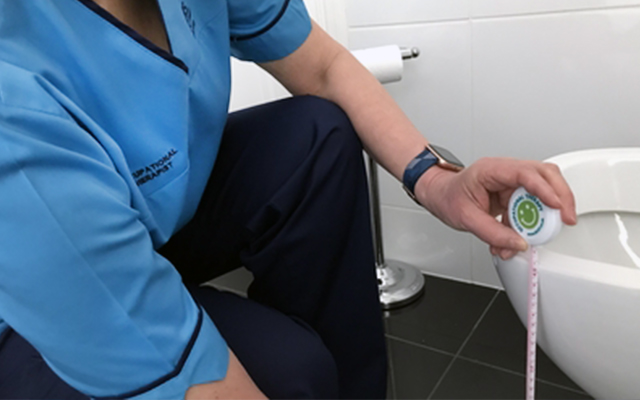
Occupational therapy, which is the only profession to practice across both physical and mental health, focuses on supporting people to help get back to being able to carry out the everyday activities which matter most to them.
There are around 3,500 occupational therapists in Scotland, working in areas including the NHS, social services, schools, prisons, care homes and the voluntary sector.
Ms Keir said the experience of lockdown had demonstrated the experience of how people’s lives could become limited as a result of illness or frailty.
She said: “Lots of people in lockdown suddenly couldn’t do the things they liked doing or things they normally take for granted – such as going to the gym or getting to the shops.
“If you have an illness – whether mental health or physical health or both – that might be what life looks for you.
“Telling people it is a bit like being in lockdown helps them understand what that feels like when you can’t do things you want to and that’s what an occupational therapist would help you with.”
She added: “It might be basics like getting your clothes and makeup on without somebody helping you. It might be being able to plan your day, so you have enough energy to hold your grandkids at 4pm in the afternoon when they come out of school.
“It might be getting back to work: it is about the needs of that individual – what they need to do in life but also what they want to do in life.”
Ms Keir said the new challenges brought by covid included people who became unwell due to the virus – whether they were hospitalised or not – and are now suffering long-term problems including fatigue and respiratory or mobility difficulties.
Some more subtle issues, such as concentration or memory problems, may only become apparent later on as someone attempts to return to carrying day-to-day activities like online banking or driving a car.
Meanwhile people who were receiving rehabilitation when some services were paused during the pandemic also still need their treatment.
Ms Keir said an additional group in need of support as a result of the crisis were people who have been isolated or shielding.
“We’re hearing about older people who just haven’t been as mobile as they have been in their house for four months,” she said.
“What happens is our muscles become weaker and people are either at risk of falls or are falling.
“So it is getting people back to peak condition to keep them well and keep them managing.
“There is also the consequence on people’s mental health of being shielded or isolated.”
Ms Keir said it was essential to make sure people who can benefit from rehabilitation are identified.
“There is a challenge around having the resource to invest in rehabilitation – it is about giving life back,” she said.
“You may be out of hospital, you are alive and doing okay.
“But actually you need rehabilitation to get back to do doing the things you want to do, as well as the things you need to do.”
Sign up to our bulletin sent twice a week so you don’t miss out on the latest health and social care news.
|
