|
Half of angina patients have hidden heart problem |
Related newsAI for lung cancer care to help tackle “hidden killer” Government boosts health innovation funding High cancer risk for adults with learning disabilities New model can predict pre-eclampsia risk ‘Substantial’ drop in cancer deaths Rapid cancer diagnostic network improves outcomes 
|
|
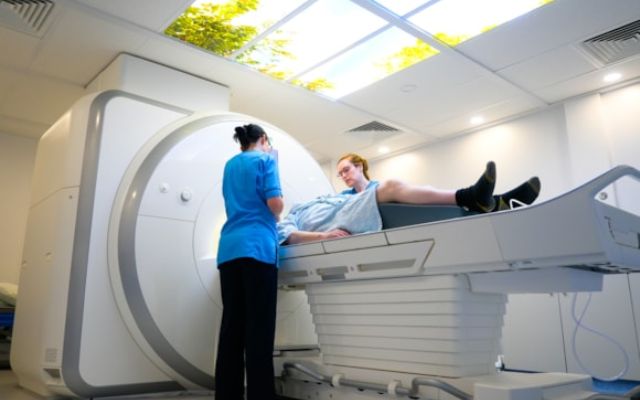
Image: © NHS Golden Jubilee
|
||
|
||
|
Research led by a team at the NHS Golden Jubilee hospital has revealed that half of patients, particularly women, given the all-clear for angina after a scan may have been misdiagnosed.
A study presented to the American Heart Association Scientific Sessions this week shows people with heart disease are being missed because nothing showed up on their angiogram.
The programme funded by the British Heart Foundation investigated the causes of angina and heart attacks in patients whose coronary arteries appeared normal in standard angiograms but, when additional tests were undertaken during the angiogram, were shown to have disease of their small vessels
A team at the Golden Jubilee undertook additional tests on patients referred for angiograms due to stable chest pain.
NHS Golden Jubilee’s Director of Research, Professor Colin Berry says these additional tests revealed that many patients, especially women, had a condition undetectable using standard imaging:
“If a woman has chest pain, undergoes an angiogram, and is told there are no blocked arteries, she may be discharged with a diagnosis of non-cardiac chest pain. But, in many cases, this pain is real and caused by microvascular angina that has been missed.”
In a follow-up study, 250 patients underwent heart MRI scans after being cleared by angiograms.
The results showed that 53% had microvascular angina.
These patients received tailored treatment based on their MRI results, including medication adjustments and referrals to cardiac rehabilitation.
Follow-up questionnaires showed that patients who received MRI-guided care experienced significantly less chest pain and reported improved physical and mental wellbeing.
“Angina symptoms were reduced and quality of life was improved over one year in the patients who had MRI-guided management,” said Professor Berry.
“We’re not saying angiograms aren’t useful—but they’re not enough on their own. We need to rethink the pathway, especially for women.”
With over 250,000 coronary angiograms performed annually in the UK, the researchers say the potential for misdiagnosis is substantial. By presenting their findings at a global conference, and advocating for the routine use of functional imaging like MRI to ensure accurate diagnosis and effective treatment, they say they hope clinical guidelines for diagnosis and care of heart disease patients can be updated worldwide.
Sonya Babu-Narayan, Clinical Director at the British Heart Foundation, added:
“Microvascular angina can have a serious impact on people’s lives. If not diagnosed, those who could benefit from treatment may slip through the net.
“More inclusive testing is urgently needed.”
Read more: Scots to benefit from new NHS heart treatment; Cardiac innovation gets public showcase; Thousandth patient receives TAVI heart treatment
Sign up to our bulletin for key health & social care updates straight to your inbox. |