|
Future of adult autism and ADHD assessments in doubt |
Related newsScotland at the table with UN healthy air commission Holyrood hears calls for more inclusive communication ‘Leaps’ needed to secure change for disabled people Call for ‘urgent’ review of ADHD and autism services Hip fracture audit triggers concerns Infection risk petition set to fail NHS board savings push could see AI replace staff Aberdeen honours UK’s first occupational therapist Stroke patients ‘failed’ for 7th year in row Awards to spotlight Scotland’s link worker teams Rollout of at-home kidney treatment Board chief warns extra funds won’t balance budget 
|
|
© evafesenuk
|
||
|
||
|
Access to adult autism and ADHD assessments in Aberdeenshire is under threat after local health and care leaders agreed to pull funding from a regional pathway.
Aberdeenshire IJB members have today decided to no longer contribute its £200,000 share towards the Grampian-wide adult autism and ADHD assessment pathway.
This means that the 1,800 local people on the waiting list will no longer be seen through the Grampian service.
Aberdeenshire IJB leaders say they have been forced to make the decision as they will no longer receive Scottish government funds to support their participation in the pathway.
A petition opposing the cuts has now received more than 3,000 signatures.
The set up of a separate, local adult neurodevelopmental pathway will instead be explored by IJB members, which is intended to save around £120,000 a year.
“A false economy”
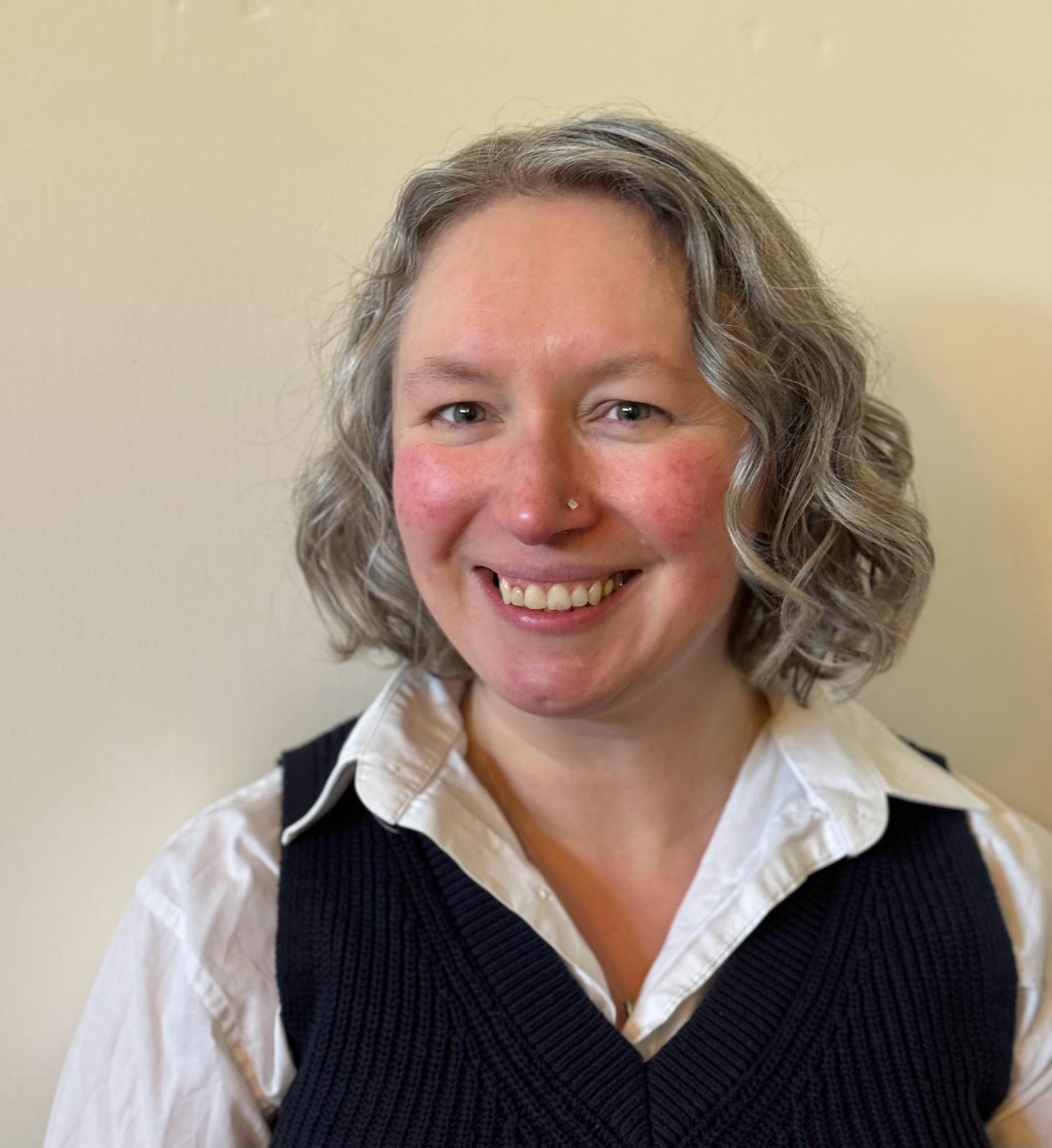
Local autistic campaigners Marion McLaughlin and Felicity Goodhall told healthandcare.scot that a reduced service will have a devastating impact on local people.
They said they remain “deeply worried” about the lack of clarity provided by today’s meeting and have urged local decisionmakers to work with the autistic community to develop next steps.
Marion, who was part of the working group which developed the Grampian autism pathway following their own late autism diagnosis, said the health and social care partnership has sent the message that saving money is “more important than autistic and ADHD lives”, adding:
“From a fiscal point of view, this decision doesn’t make any sense. It’s going to mean more people dropping out of employment, more stress on social work, and more people accessing mental health services and social housing.
“It’s a false economy, to have our lives put on the line like this for monetary value. It’s a clear breach of our human rights.”
Aberdeenshire HSCP recognises in an impact assessment report that ADHD and autism assessment can be preventative and is considered by many as essential to their wellbeing, metal health, identity and access to support and adjustments.
It also recognises that its decision to cease funding for the pan-Grampian assessment service will put further pressure on local care services.
That people with ADHD and autism have a reduced lifespan of 54 years, and that they are eight times more likely than the general population to take their own lives, is also highlighted in the report.
Marion said the health and social care partnership has failed to take into account the true scale of the consequences when making its decision:
“I have huge issues with the impact assessment the health and social care partnership has undertaken – it’s bad, but not nearly as bad as it should have been. A lot of things will be worse than they’re anticipating.
“As far I’m aware, this impact report was written with no autistic input at all. They could have reached out to any of us [who have worked with the partnership in the past] to ask, “does this accurately reflect your community?” And that didn’t happen.”
It is expected that the original Grampian service will still be available within Aberdeen City and
Moray, though likely with a reduced capacity.
However, Marion and Felicity said they are worried about the dangerous precedent set by the decision of Aberdeenshire health and care leaders, and what this could mean for people in need across Scotland:
Marion added:
“Everyone I know who went through the Grampian pathway had really positive experience, especially since it’s self-referral and people didn’t have to speak to their GP first.
“It was definitely an example of best practice.
“With the decision of Aberdeenshire HSCP, it’s going to mean a lot of funding that’s being used for the Grampian wide pathway is going to be lost, so it might need restructured.
“We have a big concern that Moray or Aberdeen City may withdraw from it too, which could legitimise other areas across Scotland to do the same.”
'Disappointing decision'
Marion and Felicity said they will now write directly to the Scottish government to raise their concerns about the plans.
Social care and mental wellbeing minister Maree Todd said £400,000 was given to Aberdeenshire between 2019 and 2021 to establish the adult autism and ADHD assessment pathway.
She added that both health boards and councils are set to receive record funding next year, saying:
"In that context, it is disappointing that local areas are considering completely withdrawing established local neurodevelopmental services.”
Withdrawal of funding for the adult autism and ADHD pathway was presented to Aberdeenshire IJB as a small part of a financial recovery plan.
Even if it makes all £20m worth of savings proposed in the plan, the IJB is still anticipating to overspend by more than £17m in 2025/26.
A final decision on the future of the Aberdeenshire adult autism and ADHD pathway will be taken by IJB members at their next meeting on 19 March.
Read more: ‘Milestone’ toward more inclusive Scotland; Autism groups lead call to scrap Commissioner plans
Sign up to our bulletin for key health & social care updates straight to your inbox. |