Column: Representation matters for Cerebral Palsy

Related news

New Coming Home plan

Supporting disabled people into elected office

Social workers call for disability funding rethink

Infection risk petition set to fail

Praise for charity CEO who turned down MBE

Disabled working women ‘excluded by design’

Michael McEwan

by Michael McEwan

Monday 24th October 2022

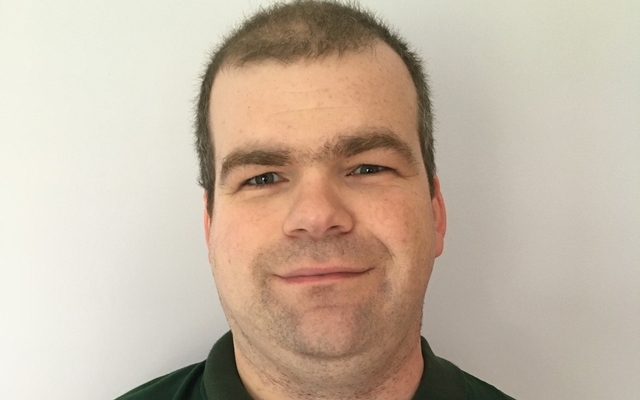
Journalist and campaigner Michael McEwan talks about the strides that have been made in awareness and representation of people with Cerebral Palsy in Scotland, and the role of conferences and community organisations and campaigns in further breaking down the barriers to equality.

It's so good to finally attend in person events again, after the last two years of ‘zooming’ about.

I recently attended the ninth annual Cerebral Palsy (CP) Scotland's Conference at Hampden Park. I was part of the organising committee on the day, most of whom I'd not met before. The event was well attended, and many were people who have CP like myself or people who work in that field.

Cerebral Palsy is the most common physical disability in childhood and around one in every 500 babies in Scotland receives a diagnosis of CP.

In Scotland today there’s not enough specialist support services for people who have CP and their families. The charity Cerebral Palsy Scotland can offer individual therapy to anyone over the age of 18 living in Scotland with a diagnosis of CP. They also regularly run and host training session and courses for health professionals.

CP Scotland advocates for communities to have lifelong access to knowledgeable and compassionate services and support.

They held various workshops on cerebral palsy throughout the conference day and also different information stands. I was chair on a panel event about more representation in society, like in the workplace and media. On the panel were Emma Livingston, founder of Up, an adult cerebral palsy movement, Melissa Cassidy, an author and blogger, and Jack Hunter, an actor and performer.

It was very powerful to see everyone on the stage with CP, raising awareness that it’s important to have greater representation of people with CP in everyday life.

More representation is crucial for people with a disability, including people with CP.

Disability is just a label, not the person, and we can achieve more than is often perceived – we just need to be given a chance. Conferences like this, and day to day campaigns and organisations, continue to push to raise awareness and break down barriers.

I'm a big advocate of going into schools and workplaces to discuss the barriers being put up by society that block disability equality and steps to implement and influence change.

In the past few years, there has been more visibility of people with a disability in the media. When I was growing up, disability was seldom covered in the media like it is now, but we do still have a long way to go.

I have to also give a special mention to the Scotland Cerebral Palsy football team as they were in action at the International Federation of Cerebral Palsy in Italy. This was Scotland’s first tournament for nine years. Reaching the final, they were eventually beaten by Colombia.

Getting to that final was a big achievement for Scotland, disability awareness and creating positive role models. Now the team's focus is on the next IFCP in 2023.

Michael McEwan is a freelance journalist.

Read more from Michael: Self-Directed Support still a lottery; Social care ’out of mind’ in Brexit; A hospital is not a home

The views of columnists and people who write other guest insights articles are their own.

Sign up to our bulletin for key health & social care updates straight to your inbox and you can follow healthandcare.scot on Google News.