|
Pharmacy and medicines: Flourishing in Fife |
Related newsPharmacy’s road to stigma-free drug dependency care Pharmacists urge leaders to act for the profession National Pharmaceutical Agency remains on hold Call to address climate impact of medicines Greener NHS research funding boost Health and charity leaders join forces for NHS reform 
|
|
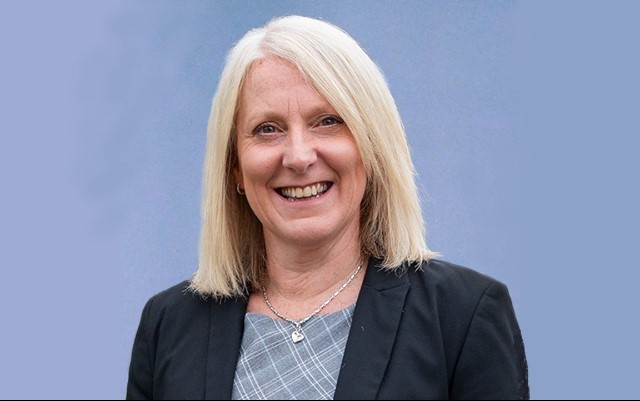
Carol Potter, Chief Executive of NHS Fife
|
||
|
||
|
Next week the PM Healthcare National Pharmacy Forum for Scotland will gain a unique insight from an NHS board Chief Executive into the role played by pharmacy as part of a multidisciplinary and multi-agency approach to supporting the health and wellbeing of a large and diverse region of Scotland.
Carol Potter is Chief Executive of NHS Fife, leading a team of around 10,000 people to provide healthcare to a population of more than 370,000 – including some of the most and least affluent communities in Scotland – across one city, several large towns, and hundreds of small rural villages.
Ms Potter has been telling healthandcare.scot what, from her personal perspective, makes a progressive pharmacy team ready to meet the current and future challenges in delivering person centred healthcare.
CP: Given what we learned, and the experience gained during the pandemic, I think it’s important that we take the opportunity to review the way we work across the health and care system. To use this opportunity to refocus ourselves on overall population health and how a multi-disciplinary team of health and care professionals can contribute to this.
Currently in NHS Fife we are developing our new Health and Wellbeing Strategy with our partners across Fife, with a mission to ensure that the diverse communities we serve can all ‘Live Well, Work Well and Flourish in Fife’.
Pharmacy is a key component of how we do this. We know the risk factors that contribute most to poor health and health inequalities, and many of these factors are areas in which the pharmacy profession can and should be influencing.
The development of pharmacy in Fife has been transformational for our models of care. I am a huge advocate of empowered team working and the collective responsibility this approach instils – our ‘Team Fife’ approach – which includes clinical professions and wider professional support, and ensures that we can deliver the best care when everyone works together and contributes their own unique knowledge, experience, and expertise on a collaborative footing.
The team is much more than the sum of its parts.
Fife is a dynamic area for pharmacy, particularly with our demography and mix of rural and urban populations. Across the region, pharmacy is leading an increased focus to support those with long term pain. Our new high-risk pain medicines patient safety programme has huge potential in supporting many of the communities which have traditionally been harder for us to reach. This area of work also forms one of the board’s corporate objectives for this year. The success of this programme will be underpinned through the Team Fife approach, cultivated by pharmacy who have delivery responsibility across professions and teams and, under the leadership of Ben Hannan as Director of Pharmacy & Medicines, are committed to helping to shape this change.
HACS: What role was pharmacy able to play during the height of the pandemic and, since then, as the NHS has sought to recover from covid-19?
CP: Pharmacy has a huge role to play and a large and reaching presence in Fife. It is a corporate directorate, which means the profession is represented in the most senior forums in the board.
Practically, this means that at all levels of the organisation pharmacy is appreciated for its contribution and respected for its input into planning of services and responses to challenges. The Director of Pharmacy and Medicines reports directly to me, is a core member of the executive team in Fife and an attendee at the NHS board meeting.
Throughout the pandemic, the Pharmacy and Medicines team reported into our Gold Command – and this ensured there was a whole system overview for the organisation for pharmacy and medicines challenges, but also for the pharmacy team into the pandemic response. Personally, this has given me an extremely valuable insight into what the profession delivers and how much it has to offer.
The directorate has restructured and adopted new ways of working over the last few years helping to create a fully integrated service, working across the health and care system.
Pharmacy also led the rollout of the covid vaccine programme, with our Director of Pharmacy and Chief Pharmacist assuming additional responsibilities with a system wide remit for workforce, logistics and scheduling, as well as the professional responsibilities of safe use of medicines. Back in 2020, when we were first made aware of a potential vaccination roll out, we had a relatively short period of time to put in place the governance and delivery structures. When I considered who might be best positioned to deliver this ambitious programme and the skill sets required, pharmacy stood out to me as a profession which understands not only medicines, but safety, governance and the wider workings of the organisation.
To have started this new programme, while continuing with the daily pharmacy service delivery, was an exceptional achievement and has shown everyone how pharmacy can extend beyond traditional core roles.
Since then, the Pharmacy Directorate has developed a strategic framework which articulates to both pharmacy colleagues and other teams in the organisation exactly what the team will be working on over the coming year. This new framework is aligned to NHS Fife’s organisational objectives and reflects the key role and unique offering and perspective the teams can bring and has acted as an exemplar to other services reviewing or developing their own frameworks.
HACS: What is needed from pharmacy across community, primary and secondary care?
CP: Pharmacy is held in high regard within Fife and valued for the quality and scope of the contribution we have seen locally. Our pharmacy teams have shown the potential they have to both enhance care for patients and contribute proactively to better health throughout life.
By empowering our team and providing them with the right tools, they can have a sustained and positive impact on population health and wellbeing. Pharmacy can continue leading on embracing change, regardless of sector or setting. I am aware that education reforms will bring us new roles and new perspectives, along with a diverse range of skills, which will very much benefit our patients and those that we care for in our communities.
HACS: What is your call to action for your audience in Glasgow next week, and what role do you hope pharmacy teams can play in Fife in the years ahead?
CP: The NHS needs to embrace its role as an anchor institution. As a major public sector organisation, it is important that we recognise the wider role we play within communities as a service, an employer, and consumer of local services that can positively influence the social, economic, and environmental conditions in an area to support healthy and prosperous people and communities. At the very heart of this, community pharmacies are central to the towns and cities they support, and we need to drive and build this relationship both as large organisations like health boards, and as individuals in our day to day working lives.
We need to help teams to look beyond the immediate horizon in their professional focus. This requires strength, courage, and determination in equal measures.
Pharmacy teams have a key role in getting it right for people at the start of their care journey and reviewing and maintaining that high standard to deliver the best healthcare for that person. To do that, we must embrace innovative approaches, technologies, and skill mix, and create time to care.
Pharmacy leaders have so much to offer. As a Chief Executive I will always listen to the expertise and advice of clinical teams. I have seen that from the teams I work with in Fife, and the invaluable insight and perspective a Director of Pharmacy can bring to an executive management team and
my role as Chief Executive.
The Director of Pharmacy brings a unique insight into the running of the organisation with their unique set of skills, their methodical approach, and their risk-based thought process, which
enables us to safely balance risk as a team. It is vital the Directors of Pharmacy, as a collective, use their voice, lead from the front not just only in their own professional sphere but by working closely with colleagues in government and professional bodies to set the direction and ensure that pharmacy is developing in the right ways for patients and for professionals as part of a modern and diverse health service.
Finally, we must always remember our values as an organisation and as individuals. We must keep looking after each other and continue making sure we are kind in everything we do.
Pharmacy has influence across the entire system, you are super connectors and have an opportunity to drive our culture. Your focus on care and kindness, inspires me every day and is a model that can be shared and replicated across all health and social care professionals.
Carol Potter speaking at the PM Healthcare Scotland National Conference in Glasgow on 25 October.
The meeting is free for healthcare professionals. For the agenda and to register, go to the PM Healthcare events site.
healthandcare.scot is pleased to be working as a media partner with PM Healthcare.
Read more: Plans for a more inclusive pharmacy sector ; "Bold step" for pharmacy; Pharmacy leaders share vision for profession
Sign up to our bulletin for key health & social care updates straight to your inbox and you can follow healthandcare.scot on Google News. |