|
Charity: Asthma guidelines need updated |
Related newsCall for ‘urgent’ review of ADHD and autism services GPs are the solution to NHS crisis, says College Holyrood hears calls for more inclusive communication Pharmacists urge leaders to act for the profession Scotland to work with UK on Physician Associate reform NHS staff say data vital to improving care Insight: The health benefits of being able to work Pre-eclampsia test approved for NHS Scotland Phage therapy approved for resistant infections Auditor General: Difficult choices for Scotland’s NHS 
|
|
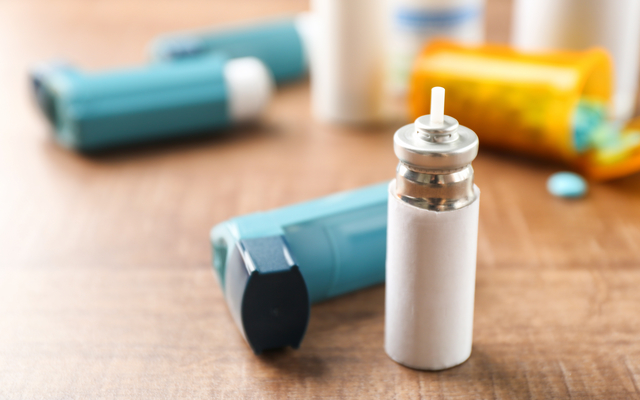
Image Credit: © Africa Studio
|
||
|
||
|
A national asthma charity is warning that people in Scotland could be at risk of life-threatening asthma attacks as it urges the NHS, Scottish government, and research funders to work on a joined-up approach.
Asthma and Lung UK Scotland are calling for more to be done to support people living with asthma in Scotland, as 1 in 5 reports using their reliever inhaler too often.
Overuse of reliever inhalers is associated with higher risk of an asthma attack, hospitalisation and death because asthma is less likely to be under control.
Following the publication of a new report, Fighting back: Transforming asthma care, earlier this year, the charity is pushing for action to improve care provision for people with asthma across Scotland.
Joseph Carter, Head of Asthma and Lung UK Scotland, says:
“Well over a hundred people still die of an asthma attack every year in Scotland but these are often totally preventable – we don’t want to see any more lives needlessly cut short. We are urging the guidelines for healthcare professionals to be updated so that relievers are no longer prescribed without preventative treatment.
“We also want to see technique checks so people are better equipped to manage their symptoms and use their inhalers effectively.”
Preventer inhalers are used daily and contain corticosteroids to reduce swelling in the airways and work to prevent an asthma attack if a person encounters a trigger.
Reliever inhalers, in contrast, should be used much more sparsely – around two devices a year, says the charity – and only in situations where a person has asthma symptoms like coughing or wheezing.
Scotland has the worst levels of care for asthma compared to other UK nations, with only 25% of people surveyed by the charity in 2021 receiving basic asthma care.
This compares to the UK-average of 30% and is the lowest level recorded in eight years, since it began collecting date in 2013.
Paul Wilson had suffered with his asthma since missing his annual asthma review with his GP. He shared that he would overmedicate with his reliver inhaler, reaching for it daily for a “temporary fix”, leading to him being hospitalised 48 times and being resuscitated twice.
When he attended his review with an asthma nurse, they said the technique he had used with the inhaler meant only 10-20% of the medicine was reaching his lungs:
“They showed me the correct inhaler technique and gave me a spacer to use, and the difference it has made to my asthma is incredible – I’ve even run marathons which would’ve been unthinkable just a few years ago.”
Now, Asthma and Lung UK Scotland is calling for a more joined-up approach across Scotland to tackle overuse of reliever inhalers and minimise preventable asthma attacks and deaths.
The UK has one of the worst asthma death rates in Europe, and around 6,000 asthma hospital admissions take place in a normal year in Scotland. The charity say better asthma care, education and prescribing guidance is needed.
It says the current Scottish guidance is ‘outdated’ as it still recommends a reliever as the first line of treatment for people who do not have regular asthma symptoms. This does not reflect current evidence which shows the importance of prescribing a preventer for long-term management alongside a reliever, says the charity.
Recent research has found that a combination inhaler – containing both preventer and reliever medications – is effective for treating mild asthma as well as moderate asthma over 12 weeks. Researchers say this “empowers people and could be critical to improving asthma care”, but the longer-term benefits are not yet known, and the study was too small to find a reduction in death rates.
More Scottish respondents surveyed by Asthma and Lung UK Scotland in 2021 reported a prevalence of difficult asthma, at 51.9% – with the UK average of 48.2% – in large part due to poor asthma care and education, says the charity.
Mr Carter says that the low level of care coupled with outdated treatment guidance results in thousands of people overusing reliever inhalers and putting them at risk of life-threatening asthma attacks.
Read more: Asthma-related deaths higher for Scottish women; Fears over covid impact on Scotland's lung health; Health poverty hits children halfway through pregnancy
Sign up to our bulletin for key health & social care updates straight to your inbox. |
