|
Budget: “Challenging” outlook for NHS & social care |
Related newsA timeline of Scotland’s National Care Service All public bodies must focus on health, urges charity New social care minister appointed Holyrood passes Care Reform Bill ‘Substantial’ health harms of gambling to be tackled Fixing social care funding must be council “priority” 
|
|
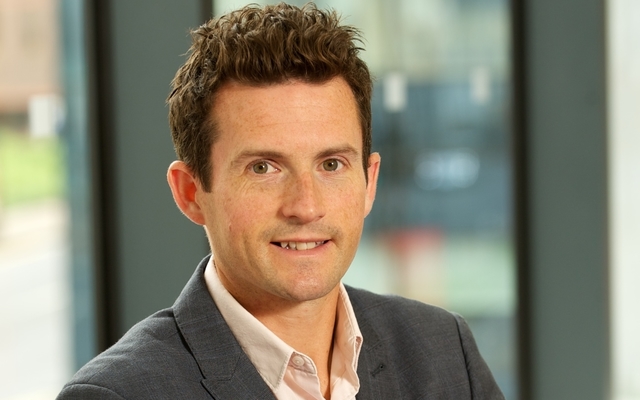
David Eiser of the Fraser of Allander Institute
|
||
|
||
|
A record funding increase for the NHS in Scotland is likely to fall short of what is needed to recover from the pandemic, an independent thinktank has said ahead of the Scottish budget.
David Eiser, the fiscal policy lead at the Fraser of Allander Institute (FAI), said it was difficult to argue the government “was in any way over-funding the NHS”.
The economist also said the funding envelope for the Scottish government's flagship social care reforms would have to increase “significantly” if promises were to be met.
Finance secretary Kate Forbes is set to deliver the first budget of this parliament on Thursday. Ms Forbes will have less cash to play with as covid-19 emergency funding comes to an end.
The core block grant from Westminster – not including extra funds for the pandemic - will rise to its highest-ever level in the 2022/23 financial year. But it will remain static after this, raising difficult choices about priorities for spending.
Top of the list for additional investment will be the NHS, which will absorb the biggest share of the Scottish government’s spending increase, and – to a lesser extent – social care.
NHS faces a “challenging” outlook
The FAI’s 2021 budget report states the financial situation for NHS Scotland is likely to be “extremely challenging” despite record budget increases over the coming years.
David Eiser said planned spending rises by the Scottish government would be “superseded pretty quickly” by transfers from NHS spending rises in England.
The Scottish government has pledged to increase spending on the NHS by 20% in cash terms by the end of the parliament.
Additional cash for Scotland from health spending in England, which finance secretary Kate Forbes has pledged for the Scottish NHS, is set to quickly “supersede” this commitment.
With these Barnett consequentials, total health spending is set to rise to £17bn by 2022/23 – which the FAI says is 15% higher in real terms when compared to 2019/20.
Mr Eiser said: “These sound like huge numbers, and in many ways these are huge numbers, but I think in the context of the challenges that the NHS is facing and in the context of the government’s commitment to increase NHS capacity by 10% over the parliament, It’s very difficult to make the case that the government is in any way over-funding the NHS.”
The health budget has been protected over the last decade compared to other areas, meaning it is taking up a growing share of government spending. FAI analysis suggests it could hit 46% of public outlay in Scotland in the coming years, up from 28% in 2010/11.
Social care reforms and a National Care Service
The Feeley review set out a list of reforms, including the setting up of a National Care Service (NCS), and suggested this would cost around £660m to implement, or an increase of 20% on 2018/19 care spending levels.
However these estimates did not cover more expensive calls to increase pay for social care staff and enhance support for hundreds of thousands of unpaid family carers.
The Scottish government has promised £800m by 2026/27 to implement the Feeley report and create an NCS but FAI suggests the figure could end up being nearly double that, at £1.5bn.
The FAI’s David Eiser said: “I think the government’s stated funding commitment in itself is probably not going to be enough to meet all of the recommendations set out in the Feeley review, and the increase in the social care budget will need to be quite a bit more than that if all of the recommendations are going to be implemented.”
An expanded remit of the care service, which will now include children’s services and social work, could also add to the price tag, the FAI says.
The SNP has previously insisted that its allocations were enough to deliver Feeley, scrap non-residential care charges and create an NCS.
It remains unclear how extra funding from a UK-wide National Insurance rise will be spent north of the border.
The UK government billed the tax as a way of funding care reforms in England but it emerged that most of the funding raised would go to the NHS.
Mr Eiser said it was likely Scottish ministers would take a similar route, given the pressures facing the service and their promises to pass on health consequentials.
Read more: Election social care funding plans ‘fall short’; NHS to be "priority" for new social care tax revenues; Review member questions cost of care reforms
Sign up to our bulletin for key health & social care updates straight to your inbox. |
