|
High hopes for Glasgow ‘origami’ Hep C test |
Related newsScotland must prioritise new bladder cancer test Navigating ‘next frontier’ of AI in medical devices Scotland’s Clinical Entrepreneur initiative returns Study explores life with an enlarged prostate Tayside team achieves global kidney study milestone Blue spaces: Part of our health infrastructure 
|
|
© ververidis
|
||
|
||
|
A team of scientists from Glasgow university have developed a new test for hepatitis C that delivers results with 98% accuracy in just 30 minutes.
The lateral-flow test, similar to covid-19 home tests, uses origami-style folded paper which offers a more affordable option for diagnosis in low- and middle-income countries where the condition is most widespread.
Professor Emma Thomson, a co-author of the paper, said: “This is a really promising development for the rapid diagnosis of viral hepatitis C, which the World Health Organization is aiming to eliminate by 2030.”
The paper says the most challenging obstacle in achieving this goal is rapid diagnosis, with current testing hampered by high costs, long turnaround times and the expertise needed in laboratories.
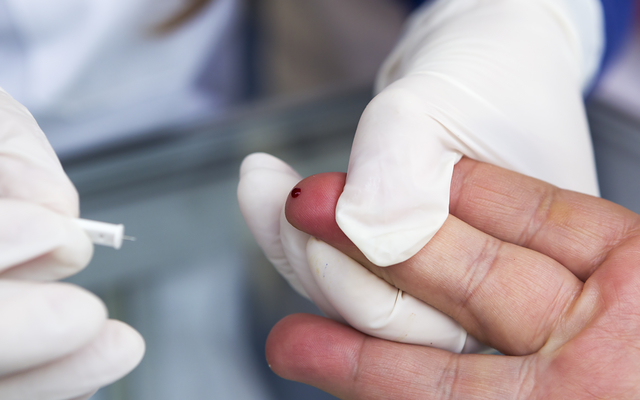
The research team believe their new system is simple enough that it will be able to be delivered in the field, with only a finger prick blood sample required.
Sheets of origami-like folded wax paper are used to prepare blood samples for a process known as loop-mediated isothermal amplification (LAMP), which tests for the presence of hepatitis C RNA.
The University of Glasgow-led team is aiming to trial the portable tests in sub-Saharan Africa – an area particularly badly affected by the virus – next year.
A malaria testing system, from which the new techniques have been adapted, saw ‘encouraging results’ when trialled in Uganda.
Hepatitis C is a bloodborne virus that damages the liver and is thought to affect more than 70m people across the world, causing 400,000 lives a year.
Early detection is key as the condition can be treated effectively in its early stage but it is thought up to 80% of people with the condition are unaware until they become severely ill.
In 2019 the Scottish government committed to effectively eliminate hepatitis C by 2024.
Back in July 2020 NHS Tayside became the first region in the world to “effectively eliminate” the virus, thanks to its globally recognised project that brought together community nursing, pharmacy, the third sector and laboratory teams.
Read more: “Game-changer” Hep C treatment blueprint launched; Insight: ‘Weight of my Hep c stigma was lifted’; Global recognition for Tayside hepatitis programme
Sign up to our bulletin for key health & social care updates straight to your inbox. Tags: Research & Innovation. |
