|
Suicide: True effects of the pandemic still unknown |
Related newsInpatient CAMHS care too variable NHS is working to address “unacceptable” abuse Pharmacy’s road to stigma-free drug dependency care ‘Whole-system shift’ needed on ADHD and autism support Long COVID putting Scots at risk of poverty Dementia campaign success to inform government actions 
|
|
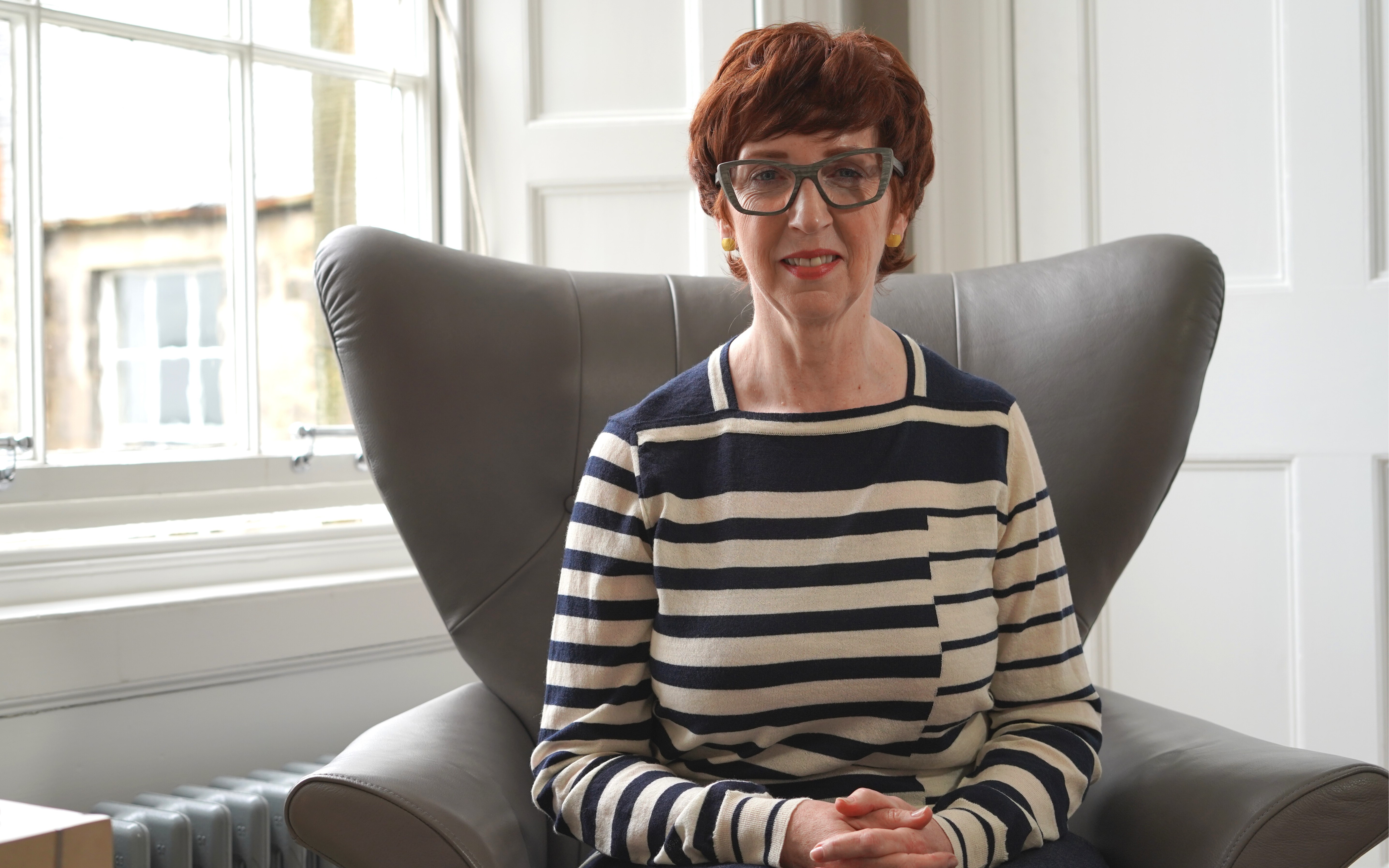
Rose Fitzpatrick CBE QPM
|
||
|
||
|
Despite repeated lockdowns and covid-19 restrictions, statistics released last month surprised many when they revealed deaths by suicide fell between 2019 and 2020.
The Scottish government has a target to reduce suicide by 20% from 2017 levels by next year.
This would mean around 544 suicides in 2022, a sharp fall from the 2020 figure of 805.
With the target likely to be missed as trends show a rise in rates of suicide in three of the last four years, the chair of a group set up to drive improvements tells healthandcare.scot that the true extent of the pandemic’s effect on people’s mental health is yet to be seen.
Rose Fitzpatrick, chair of the National Suicide Prevention Leadership Group (NSPLG), says no single year of data is conclusive and long-term trends must be fully considered before reaching conclusions:
“We have to look at trends and it becomes even more complex because suicide – there isn’t a single cause.
“You can’t compare it to some sorts of physical illness where there’s a particular trajectory and those illnesses are fatal … it’s not always directly related to someone’s mental health or ill health; it can as much be about their life circumstances. So, we do need to look at the trends.
“But we do know there has been a rising trend over the last three years, even including this small fall.
“There’s a lot to do and I don’t think anyone thinks we are out of the woods yet when it comes to the pandemic.”
A former police officer who held senior positions in London before going on to become deputy chief constable at Police Scotland, Ms Fitzpatrick speculates the fading away of “protective factors” present during the first lockdown – where people were looking out for each other more and talking more freely about their wellbeing – could make the situation worse.
“We know that the impact of the pandemic is going to be long term and we know that things like people’s work patterns having changed, will keep changing; there’s going to be economic impacts.
“We know that more people have been bereaved and we know that, for an example, there’s an understanding now that long covid, if I can call it that, is also going to have an impact on people.
“It’s a complex and really moving picture and we need to keep our focus very strong.”
The Scottish government has come under fire for repeatedly missing its targets in mental health treatment waiting times – an issue especially apparent in youth mental health services, where the number of young people waiting more than a year for therapy has trebled in the past year.
Ms Fitzpatrick says “we can definitely do better and we definitely need to do more” but adds:
“I can’t speak for the government but I don’t think it’s a single thing, just as attempted suicide – the range of factors that contribute to someone reaching that point are really complex.
“So, for some people, creating the space in which they can take responsibility for themselves for asking for help will be effective. For other people, they might not want to do it or be able to do it so it’s about recognising that they need help and stepping into help them and offer support.
“We can’t have one approach or a one size fits all.”
Government surveys used to assess the pandemic’s impact on mental health and wellbeing show an increased rate of suicidal thoughts from November 2020, coinciding with the UK-wide lockdown at the beginning of the year.
The most recent wave of the mental health tracker shows young adults under 30, women, people with physical and/or mental health conditions, and people in a lower socio-economic group were most at risk.
In fact, for every two suicides in Scotland’s wealthiest communities, seven occur in the most deprived.
"We all have a role to play in preventing suicide"
The source of these inequalities, Ms Fitzpatrick explains, are rooted in both structural and cultural causes that can restrict access to support:
“We know that those in lower socioeconomic groups seek help later and have fewer tools to find their way around complex systems”, she says.
“We need to make it simpler for people to access the support and care they need.
“There are still barriers of culture in some communities and a huge stigma attached to raising issues around your own mental health and talking about it more generally.”
Ms Fitzpatrick points towards resources the NSPLG, alongside public and third sector organisations, have developed to help individuals become more confident talking about suicide.
Key in their development were the group’s lived experience panel, a team of volunteers with different personal connections to suicide.
Their participation has recently been recognised by the World Health Organization for their ‘meaningful and authentic’ contribution to the NSPLG’s work.
Among these educational resources are the United to Prevent Suicide movement, as well as FC United, which she says both aim to break down stigma and foster a community of people with a shared belief in preventing suicide.
“We all have a role to play. So, services, statutory, voluntary, social sector, local national – all have to play their part, but complimentary to that is each of us as individuals.
“We’re not expecting anyone to be able to fix problems – it’s about recognising that someone might need some support and then be able to point them in the direction they need to go.”
Read more: Over half of Scots fear lack of mental health support; Suicide: New support for bereaved families
Sign up to our bulletin for key health & social care updates straight to your inbox. Tags: Mental Health; Scottish Government. |
