|
Fear of backlash a barrier to avoidable death action |
Related newsCharting Scotland’s future health and hospital demand First phase of obesity meds to prioritise highest BMIs Health leaders push for action on diet and exercise Regulation key to reducing obesity More doctors means longer waiting lists Concern as COVID protections reduced 
|
|
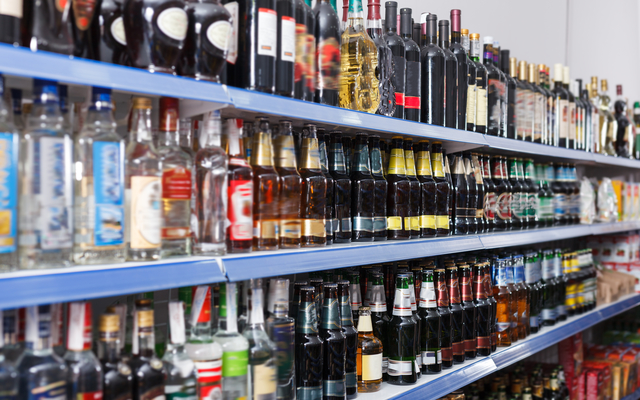
Image: JackF
|
||
|
||
|
A new report suggests 7,800 deaths a year could be prevented through public health action tackling alcohol, tobacco and junk food, but MSPs suggest unpopular policy solutions are holding back progress.
Ten leading Scottish health charities have today outlined urgent measures for government to reduce ill health and death from non-communicable diseases – including cancer, heart disease, stroke, and respiratory disease - that are together responsible for 62% of all deaths in Scotland.
The measures include addressing the marketing, availability and price of health-harming products, as well as boosting access to support services in more deprived areas.
However, speaking today at a cross-party discussion organised by the British Heart Foundation, MSPs from the Health and Sport Committee agreed that tough restrictions will likely be met with resistance.
This is despite the report showing the success of past interventions in positively impacting public health in Scotland.
Recent research shows the ban on smoking in public places, introduced in Scotland in 2006, was estimated to have reduced heart attacks by 74%, whilst the 2018 introduction of minimum unit pricing (MUP) for alcohol led to 10% fewer alcohol-specific deaths in 2019.
Gillian Mackay, the Scottish Green Party’s Spokesperson on Heath and Social Care, said that, whilst there is cross-party support for change, the fear of unpopular policies remains a barrier.
She said that it is “uncomfortable as a politician” to introduce policies knowing there will be public backlash, but is optimistic that the successes of MUP and the smoking ban will show the effectiveness of such initiatives.
Uprating the MUP to at least 65p per unit, regulating e-cigarette advertising, and publishing an Out of Home Strategy, to encourage healthier food choices when eating out, by the end of his parliament are key recommendations of the report.
Carol Mochan from Scottish Labour said that “parliamentarians must commit” to radical action to tackle inequalities and support people in more deprived areas to make healthier choices.
The report shows that tobacco use, alcohol consumption and the burden of obesity is much higher in the most deprived areas of Scotland, contributing to a 20-year gap in healthy life expectancy.
Sandesh Gulhane, a Conservative MSP and GP, was not surprised by these findings, saying that the health inequalities he sees daily in his practice need to be tackled by increasing health literacy and understanding of health promoting behaviours, especially within the most deprived areas.
The Minister for Public Health, Maree Todd, who pre-recorded her contribution, reiterated the government’s commitment to allowing Scotland’s citizens to live long healthy lives, regardless of where they come from.
Key to this, she said, is to assess the impact of covid-19 on unhealthy behaviours and how to best tackle the increases in drinking, smoking and unhealthy eating that has occurred during this time.
The government aims to halve childhood obesity by 2030 and to significantly reduce diet related inequalities, as well as to raise a tobacco free generation by 2034 – however, if current trends continue, the report estimates Scotland will miss this target by 16 years.
Read More: Scotland records 10,000 alcohol deaths in ten years; Scotland’s minimum alcohol pricing praised by WHO
Sign up to our bulletin for key health & social care updates straight to your inbox. |
