|
Shielding ‘not effective’ in preventing covid deaths |
Related newsUnpaid carers urged to sign up for vaccine Two million Scots to be offered flu vaccination Infection risk petition set to fail Aberdeen A&E first to offer routine HIV tests All public bodies must focus on health, urges charity ‘Major’ update to One Health AMR register 
|
|
© Jevanto Productions
|
||
|
||
|
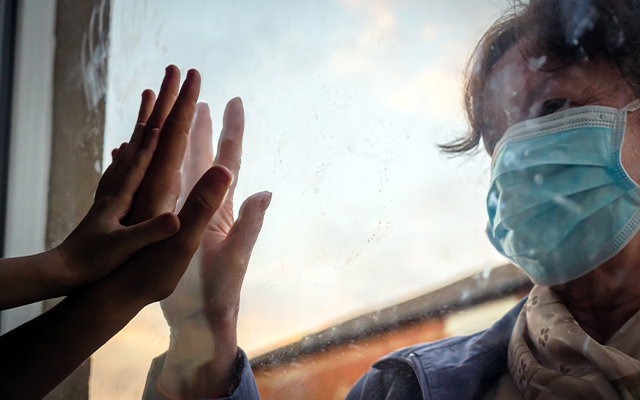
The shielding strategy did not prevent far higher levels of deaths among people who were most at-risk from covid-19, new research has found.
Researchers found people on the shielding list were five times more likely to die with the virus.
Professor Jill Pell, Director of the University of Glasgow’s Institute of Health and Wellbeing, said: “Our study also showed that shielding may be of limited value in reducing burden on health services because, in spite of the shielding strategy, high risk individuals were at increased risk of death.
“We believe that, to be effective as a population strategy, shielding criteria would have needed to be widely expanded to include other criteria, such as the elderly.”
A spokesperson for the Scottish government said the study was "limited to one geographical area" and they were "confident the shielding programme helped vulnerable people".
The study, published in the journal Scientific Reports, states shielding has “not been as successful as hoped”.
People on the list were less likely to be admitted to intensive care, it added, meaning protection from initial infection was “essential”.
The authors say it should be used alongside other large-scale requirements across society such as physical distancing and hand hygiene.
The government in England has attracted criticism recently over what some have termed “shielding by default”, by allowing infection rates to rise and forcing the most vulnerable back into isolation.
Nicola Sturgeon said earlier this month that she would not “abandon” people who were on the shielding list, and the Chief Medical Officer wrote to this group with support and advice on how to stay safe.
Looking at 1.3 million people living in the Greater Glasgow and Clyde health board area, University of Glasgow academics found 28,000, or 2%, had been advised to shield.
They were found to be eight times more likely to get the virus, though researchers said this could be down to higher levels of testing.
Only four in ten people across Scotland who were advised to shield reported stringently following guidance, with two in ten stating they were unable to comply as they had to support other household members, care for pets or carry out other essential activities.
There were also concerns about difficulties following social distancing within their homes, with many also caring for a relative.
The single biggest group of people on the shielding list, representing more than half, were those with severe respiratory diseases, followed by more than 5,000 on immunosuppressive therapies.
Another 350,000 people, 27%, were classed as moderate risk but not asked to shield.
Compared to low-risk individuals (the remaining 934,239 people in the study), people who had been advised to shield were eight times more likely to have confirmed infections, though the authors said this could down to higher levels of testing in this group.
People on the shielding list were found to be five times more likely to die following confirmed infection, with 140 deaths recorded.
This represented 0.51% of people shielding in the West of Scotland, compared to 0.23% for the moderate risk group and 0.01% for the wider population.
Nearly half of all deaths were people aged 70 and over, the study also found, with the authors concluding more than a quarter of the population would have to shield to stop more than 80% of total deaths.
A Scottish Government spokesperson said: “While we are no longer asking people to shield in the same highly restrictive way we did during the first wave of the pandemic, we are confident the shielding programme helped vulnerable people who were at risk of covid at that time.
“This study is limited to one geographical area and doesn’t take into account a range of factors including ethnicity, rurality, exposure to health and social care workers, and compliance with restrictions. It also highlights that the findings are representative of Glasgow and Greater Clyde area but may be less so for other areas.
“As Scotland has progressed to Level 0, it is now safe for those at the highest risk to follow the same guidance as the rest of the population due to the success of the vaccination programme. We would encourage all those who are able to get vaccinated as soon as possible, though we understand there are a very small number of people whose health condition or age prevent them from doing do.”
Read more: In full: Pleas for caution from at risk Scots; Care home fears over rising community infections; Scotland shielding list expansion being considered.
Sign up to our bulletin for key health & social care updates straight to your inbox. |
