|
“Indefensible” to send Scots women to England for care |
Related newsNHS is working to address “unacceptable” abuse Pharmacy’s road to stigma-free drug dependency care Medical trainee abuse reports ‘shut down and silenced’ ‘Whole-system shift’ needed on ADHD and autism support GPs are the solution to NHS crisis, says College Partnership urges action over Scotland’s mental health 
|
|
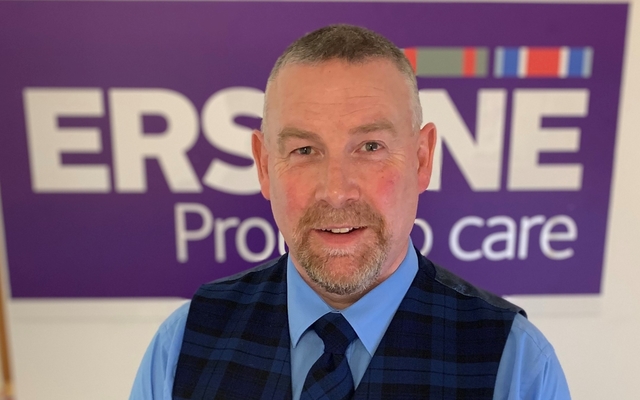
Forensic mental health care review chair Derek Barron
|
||
|
||
|
A review chair has condemned the “indefensible” practice of Scottish women are being sent for forensic mental health care in England when the same services are provided for men north of the border.
Derek Barron, who chaired a review of forensic mental health services that has just been published, also said a lack of capacity in the community means people were being held in a higher level of security than is needed, affecting their rehabilitation.
Forensic mental health services, specialise in the assessment, treatment and risk management of people with a mental disorder who are currently undergoing, or have previously undergone, legal or court proceedings.
The review made a series of recommendations, including creating a new national health board, to improve variation and inconsistency.
Speaking to healthandcare.scot, Mr Barron, who is director of care at the charity Erskine, said staff were working hard “but the system doesn’t work for those who are using it.”
One example of this was the sending of women 200 miles or more from home to high secure services at Rampton hospital in Nottinghamshire.
“I don’t think we should be proud of that as a country,” he said. “If you’ve got family who are trying to come and visit someone, and they’re trying to travel to Rampton, that’s one or two days travel, because you probably need to go down the night before.
“That means quite a lot of time for people, and I don’t think that’s particularly fair or just when we provide high secure care for men in Scotland at the State Hospital.”
Another solution set out in the report was a more national approach, through a new health board that would subsume the State Hospital at Carstairs.
“There was a lack of co-ordination across Scotland and having looked at all the options, regional planning, regional delivery, versus having a whole country [approach] – we’re not a massive country, it can’t be beyond us to run these highly specialist services for a fairly small group of people, as a whole country to make sure there’s equity.”
Asked whether existing services are up to scratch, Mr Barron said:
“It was not that they weren’t fit for purpose; what we’ve got is a lack of capacity in the system. Or we have enough capacity but it’s in the wrong area.”
“They do have people at the State Hospital who shouldn’t be there.
“But they would then need to create space in medium secure, which needs space at low secure to do that, so it’s that ongoing chain.
“The moment one part of the chain fills up, the rest can’t go anywhere.”
And, he says, this has an impact on the individuals involved.
“You go through a rehabilitation programme, you’re ready to move on – there’s no accommodation, and then you’re having to go through programmes you’ve already done.
“It’s a waste of resources, it’s frustrating for the individual, it makes them feel ‘what’s the point in doing this because I’m not able to move anywhere?’”
“If you’re ready to move on and can’t, how do you access the next level of that journey of rehabilitation? Whether that’s living on your own, whether that’s doing activities on your own, if you don’t have the opportunity to do those things, then that’s going to impact on you.”
Sign up to our bulletin for key health & social care updates straight to your inbox. Tags: Mental Health; NHSScotland. |
