|
‘Top down’ care review plans branded ‘huge mistake’ |
Related newsScotland’s NHS and social care app timeline unveiled All public bodies must focus on health, urges charity Dementia campaign success to inform government actions Plea to see social work as ‘backbone’ of health & care ‘Leaps’ needed to secure change for disabled people Chief Medical Officer: ‘Critical connections’ priority 
|
|
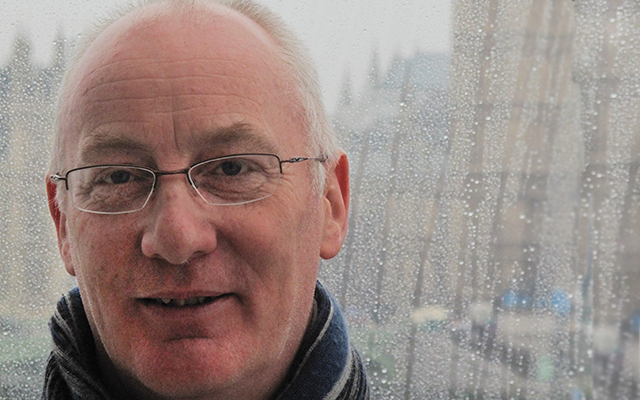
Professor James Mitchell of the University of Edinburgh
|
||
|
||
|
An academic and public policy expert has suggested a “ministers know best” approach to reforming social care is a “huge mistake” and risks losing local accountability.
Professor James Mitchell, who sat on the 2011 Christie Commission looking at the future of public services in Scotland, told healthandcare.scot recommendations to establish a national care service represented a “very top-down…very centralising approach.”
The adult social care review recommended a series of changes to social care, including taking powers away from councils and giving them to Integration Joint Boards (IJBs) that would answer to a national care service run by the Scottish government.
“This does not acknowledge the role that local government plays, indeed it wants to roll back local government’s role. I think that’s a huge mistake,” the Edinburgh university academic said.
“One of the problems of this report is the sense that ministers know best – we can sort this out at the centre, civil servants can do it, whether it’s in Edinburgh or Whitehall.”
Professor Mitchell says the report dances around one of the most fundamental issues – the willingness of the public to fund a more generous social care system through their taxes.
Other proposals included making all social care free at the point of use, with the exception of care home accommodation fees, and adopting a human rights based approach to care.
Report author and former NHS Scotland CEO Derek Feeley, said this week the pandemic had shown the public expected ministers to be in charge of social care.
The Scottish government has accepted the recommendations of the review, but council umbrella group COSLA has warned the plans would undermine local delivery of care.
Professor Mitchell said: “I think the local dimension is being lost. I’m always struck by the tendency of civil servants, and in this case, a former civil servant, working at the centre, to always grasp for central controls.”
Referencing NHS founder Nye Bevin’s famous quote, he added: “It’s that kind of bedpan nonsense – I think it’s a mistake.”
Councils, which are currently responsible for commissioning and sometimes providing care, have been criticised for gatekeeping with increasingly narrow eligibility criteria, leading some campaigners to welcome their powers being given to IJBs.
But the problem can be traced back to the Scottish government, Professor Mitchell says.
“Local government has been placed in an impossible position. The cuts imposed on it have been horrendous.
“If you really want to resolve this, you don’t just take power and resources away from local government, you give them the ability to pay. That’s the answer.”
That raises the thorny question of how society funds care.
Back in 2001 then-First Minister Henry McLeish removed one element of charging by introducing free personal and nursing care for the over-65s. This was extended to younger adults in 2017 under Frank’s Law.
However there have been concerns that government funding of these initiatives has not kept up with the costs of providing this care.
At the time Professor Mitchell says there were concerns that making an open-ended commitment might not be affordable ten years down the line when demography – and the state of public finances – could be drastically different.
The review pledges to go much further and make all social care free at the point of need (with the exception of care home accommodation fees).
It estimates that doing this and meeting all the commitments in the report would cost £660m a year. It does not, however, specify where this money should come from.
“There’s a bit of an elephant in the room business,” says Professor Mitchell. “[Feeley] gets round to talking about it, but he dances around it.
“The truth of the matter is we are facing a financial crisis, and centralisation won’t fix it. You’ve got to recognise we’re going to have do something very bold and frankly, not very popular, about the financing of care.
“Ultimately that takes us to the fundamental issue: Are we as society willing to play? Or are we just good at talking that talk?”
Read more: ‘Covid showed ministers should be in charge of care’; Councils voice “grave concern” over care review; Social care held back until “crisis and emergency”
Sign up to our bulletin for key health & social care updates straight to your inbox. |
