|
Covid “cancer crisis” could see survival rates fall |
Related newsScotland can play central role in mRNA Staff isolation changes to be used “in extremis” Experts considered bowel screening pause over delays Unpaid carers next in line for vaccinations Vital cancer surgery could be hit as virus spreads Third board suspends elective surgery 
|
|
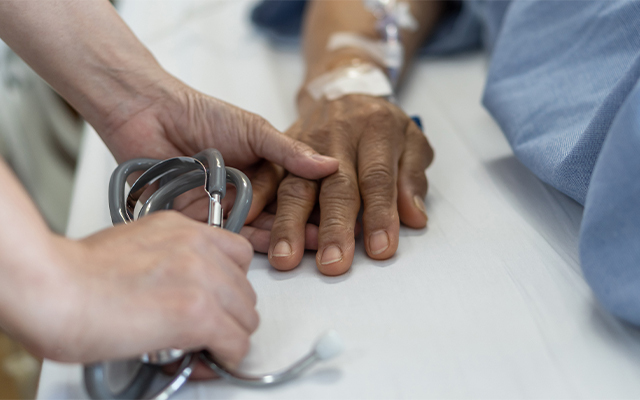
© Chinnapong
|
||
|
||
|
Scotland faces a “cancer crisis” after covid-19, with the risk of a reversal in survival rates due missed diagnoses and cancelled treatments.
Despite Scottish Government guidelines stating urgent treatment should continue, “many patients” are not getting major surgery, according to Cancer Research UK.
The number of people sent for urgent cancer checks by their GP has dropped by around 2,000 a week, while around 100,000 people a month are not being screened for the disease.
In a briefing for MSPs, the charity warns that diagnostic services could struggle to cope with this backlog, meaning cancer survival rates could “stall and perhaps even reverse”.
Yesterday it was reported that thousands of women with incurable breast cancer are being denied potentially-life extending treatments due to the pandemic.
In April cancer doctors in Scotland were told to delay surgery where possible, with patients prioritised according factors including the likelihood of treatment success and the risk of infection from coming into hospital.
Meanwhile Scottish Government advice warned covid-19 could lead to chemotherapy drug combinations being altered.
Patients requiring less invasive surgery, such as for breast and skin cancers, are being treated at private hospitals in Scotland under a deal struck by the Scottish Government.
However these facilities do not generally have the same support infrastructure as larger acute hospitals and cannot do major surgical procedures.
Cancer Research UK warns urgent and essential treatment is not continuing “consistently” across Scotland.
It is calling on the Scottish Government to ensure the country’s 14 regional health boards follow treatment guidance and urging regular testing of patients and staff, so that covid-free treatment zones can be set up.
In its briefing, Cancer Research UK states: “People affected by cancer now must continue to receive the care they need, in as safe a way as possible, during this crisis. “Attention must also be given to returning the provision of cancer care to pre-covid-19 levels as soon as possible, again in a safe and effective way. “Given the backlog in diagnosis and treatment we are currently seeing, this will require swift and clear action.
“Strong national and local leadership and a clear governance framework are paramount to ensure the return the provision of safe and accessible cancer services in the most effective way.”
A Scottish Government spokesperson said: “We are already in discussion with Cancer Research UK about these recommendations, many of which describe existing or planned activity.
“The majority of cancer treatments have continued through this pandemic. Some patients’ treatment plans have changed after discussion between them and their clinical team due to covid-19 risks, and we are focused on continuing to ensure patients receive the best possible treatments.
Sign up to our bulletin sent twice a week so you don’t miss out on the latest health and social care news. Tags: Cancer; Infectious disease. |
