|
Growing fears over cancelled cancer operations |
Related newsScotland can play central role in mRNA Staff isolation changes to be used “in extremis” Experts considered bowel screening pause over delays Unpaid carers next in line for vaccinations Vital cancer surgery could be hit as virus spreads Third board suspends elective surgery 
|
|
|
||
|
||
|
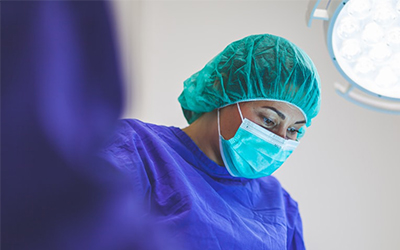
Surgeons are voicing concern over the number of cancelled cancer operations and are calling for more hospitals to be set aside solely for non-covid patients so life-saving procedures can go ahead.
A survey by the Royal College of Surgeons of Edinburgh found nine in ten of its oncology members across the UK have reduced the number of cancer operations they do – with one in three stopping altogether.
Cancer Research UK says a rapid response is needed before it’s too late to operate on patients who would have benefited from surgery.
It follows mounting concerns voiced by clinicians, patient groups and government about the indirect impact of both cancelled treatments and patients staying away from the NHS – worried about catching the virus or not wanting to burden staff.
Professor Michael Griffin OBE, President of the Royal College of Surgeons, says colleagues are being forced to make tough decisions:
“Major surgeries on certain cancer types have very significant risks attached to them, and performing them in an environment where coronavirus is present could potentially outweigh the risk of delaying surgery.
“Surgeons are left facing an impossibly difficult question – should I be operating or not? If you don’t, you could reduce the chances of curing a patient’s cancer, but if you go ahead, you could be increasing their chance of catching covid postoperatively and risking their recovery.”
Just over half of those surveyed said their board or health trust had not yet set up a dedicated covid-free hub to focus on cancer operations, meaning surgeons are being forced to delay operations.
Professor Griffin added: “We need a unified approach to avoid a scenario where patients find themselves facing a postcode lottery, and the only way to achieve this is with more suitable spaces to carry out vital operations.”
Marion O’Neill, head of external affairs for Cancer Research UK in Scotland, says “widespread” testing would be needed in these surgery hubs:
“Surgery is an effective treatment for cancer. But we know cancer specialists are currently having to weigh up the risks associated with treatments that can weaken a patient’s immune system and might make it harder for them to fight off coronavirus if they catch it.
“It’s important that these difficult treatment decisions are made in collaboration with patients. But a rapid response to this is required – the longer surgery rates stay low the more cancers will become inoperable.”
A spokesperson for the Scottish Government said vital cancer treatments are continuing where “clinically agreed”:
“Non-life threatening elective procedures have been postponed which will allow vital NHS staff to be redeployed to support the response to the pandemic. We are working hard to ensure vital and urgent care remains, including the use of private hospitals to treat these NHS patients.
“However, we recognise the significant pressure that our NHS is under and we cannot underestimate the risks from covid-19 particularly for some cancer surgical procedures and, therefore, for some cancer patients treatment plans may change over the coming weeks and months”
This week, one of Scotland’s top public health experts told healthandcare.scot the government needed to pursue a two-part strategy of sending a “much clearer message” that the NHS was still open and restarting cancelled services.
Professor Linda Bauld said higher-than-usual deaths for conditions such as heart disease and stroke could be due to people not calling 999 when they developed troubling symptoms until it was ‘too late’.
Sign up to our bulletin sent twice a week so you don’t miss out on the latest health and social care news. Tags: Cancer; Infectious disease. |
